Cold Storage Installers — Cold Rooms, Blast & Freezer
Specialist design and installation of cold rooms, blast freezers and refrigerated warehousing. F-gas certified, natural-refrigerant plant, N+1 resilience. Free feasibility from your load and throughput.
- F-Gas / REFCOM
- Institute of Refrigeration
- FETA / BRA
- ISO 9001
- CHAS
ACCREDITED FOR UK REFRIGERATION & COLD-CHAIN WORK






Refrigeration is 70-80% of the bill — and it never switches off
Cold storage is the most energy-intensive building type in UK industry: a refrigerated facility costs up to four times more per square foot to run each year than an ambient warehouse, and refrigeration alone accounts for 70 to 80 per cent of the electricity bill. Getting the install right is therefore not just an engineering decision but the difference between a store that holds temperature reliably at a controlled running cost and one that loses stock, fails audits and burns money. Specialist cold storage installers design the insulated envelope, size the refrigeration duty, select a refrigerant that survives the HFC phase-down, and commission the plant to the temperatures HACCP and BRCGS demand. With the GB F-gas quota tightening year on year and electricity the dominant operating cost, buyers now want efficient natural-refrigerant plant, N+1 resilience, and a route to cut the running bill, including offsetting the 24/7 load with on-site solar.
A refrigerated facility costs up to four times more per square foot to run each year than an ambient warehouse. The demand is flat, high and around the clock, with pull-down spikes after every intake, scheduled defrost cycles, and constant door and infiltration losses on a busy pick face.
- 24/7 near-constant base load — the plant never switches off
- Pull-down spikes drive heavy transient demand on blast duty
- Defrost cycles and door losses are the cheapest kW to save
- Frozen duty runs a lower COP (~1.5-2.2) than chilled (~2.5-3.5)
What drives the cost — and how we cut it
Temperature, capacity, cost and payback by cold storage type
Real UK ranges for 2025-26. Plant is sized on refrigeration duty (kW of cooling), not floor area — these are indicative bands, firmed up at survey.
| Temperature | Capacity | Install cost | Payback | |
|---|---|---|---|---|
| Walk-in Cold Rooms | 0 to +5°C chilled; -18 to -25°C freezer variants | 6 to 150 m³ (a few pallets to a small store room) | £4,000 to £30,000 | ~6 yrs |
| Blast Freezers & Blast Chillers | -30 to -40°C air-off for blast freezing; blast chillers pull +70°C to +3°C in 90 minutes | 20kg to 2,000kg product per cycle | £15,000 to £120,000 | ~5 yrs |
| Refrigerated Warehousing & Cold Stores | chilled 0 to +5°C; frozen -18 to -25°C | 500 to 30,000+ pallet spaces | £500,000 to £10m | ~5 yrs |
| Modular & Containerised Cold Storage | -25 to +25°C selectable per unit | 28 to 67 m³ per 20ft or 40ft unit; bankable into larger arrays | £8,000 to £45,000 per unit | ~7 yrs |
| Controlled Atmosphere (CA) Storage | 0 to +4°C with controlled oxygen, carbon dioxide and nitrogen levels | up to 5,000+ pallet spaces per sealed CA room | £150,000 to £2m | ~6 yrs |
Five kinds of cold storage, one specialist team
From a walk-in chiller to a 30,000-pallet frozen store. Each has its own sizing, refrigerant and compliance profile.
 Most common
 Walk-in Cold Rooms
0 to +5°C chilled. £4,000 to £30,000.
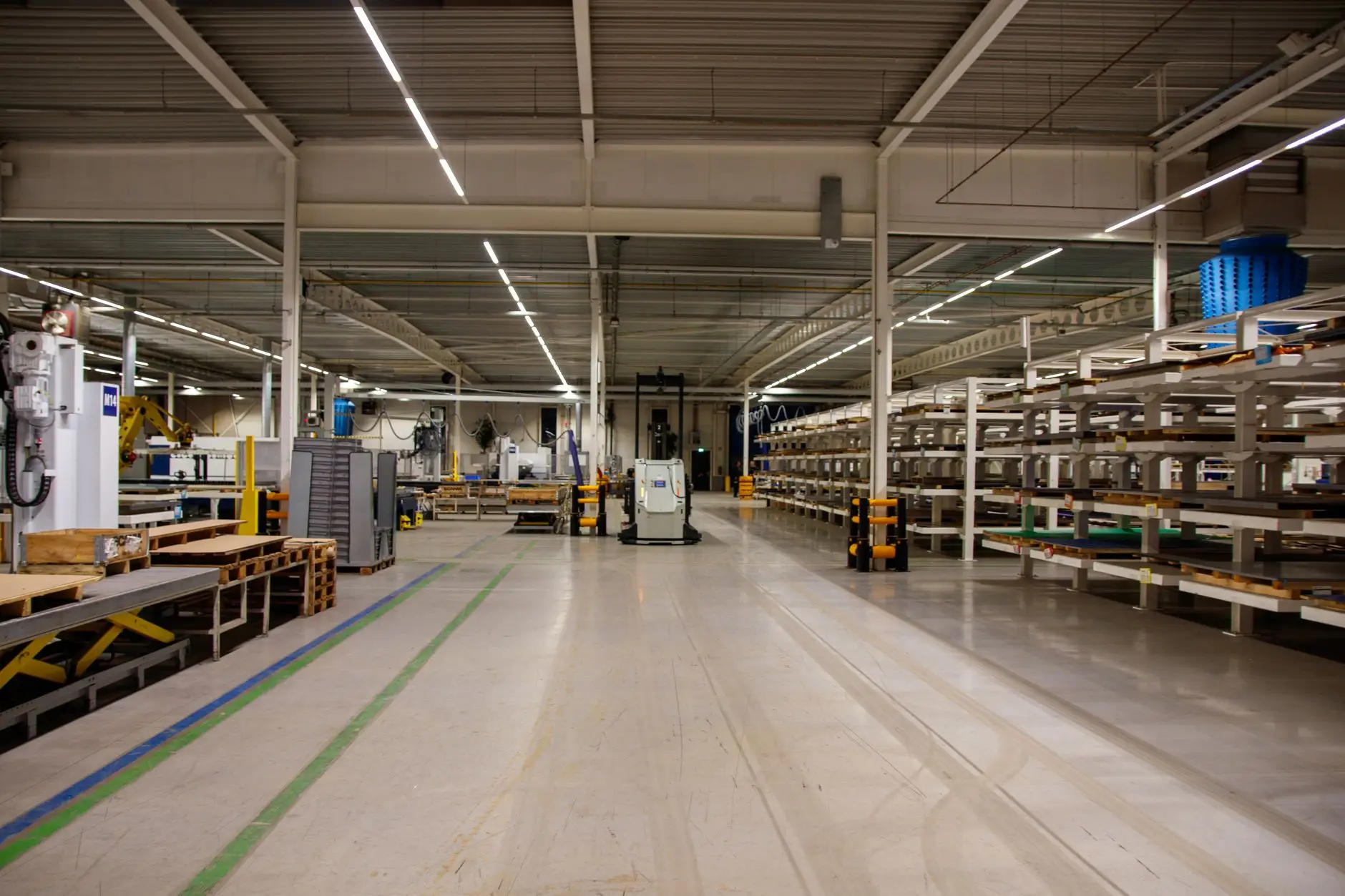
Blast Freezers & Blast Chillers
-30 to -40°C air-off for blast freezing. £15,000 to £120,000.
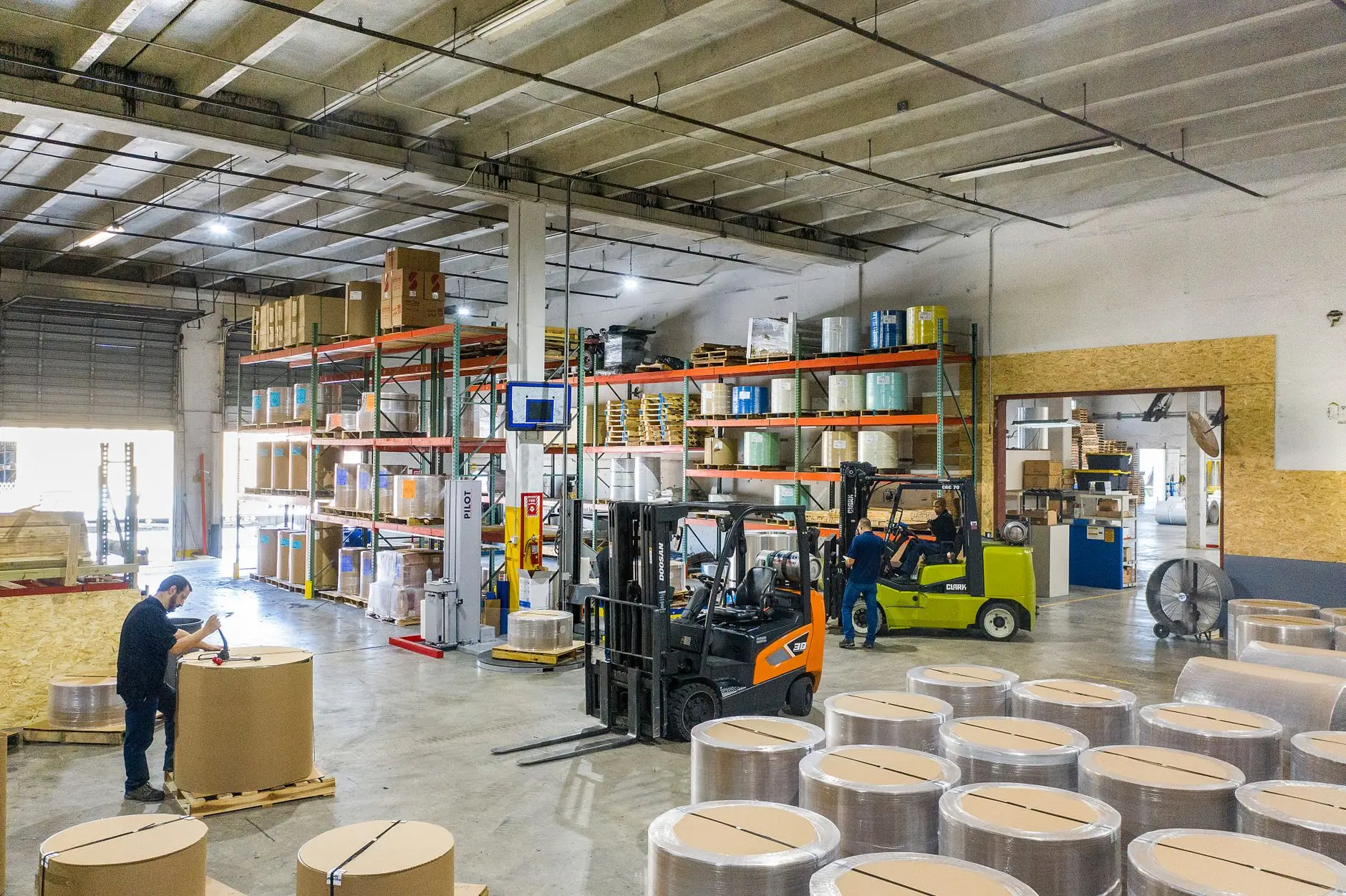
Refrigerated Warehousing & Cold Stores
chilled 0 to +5°C. £500,000 to £10m.
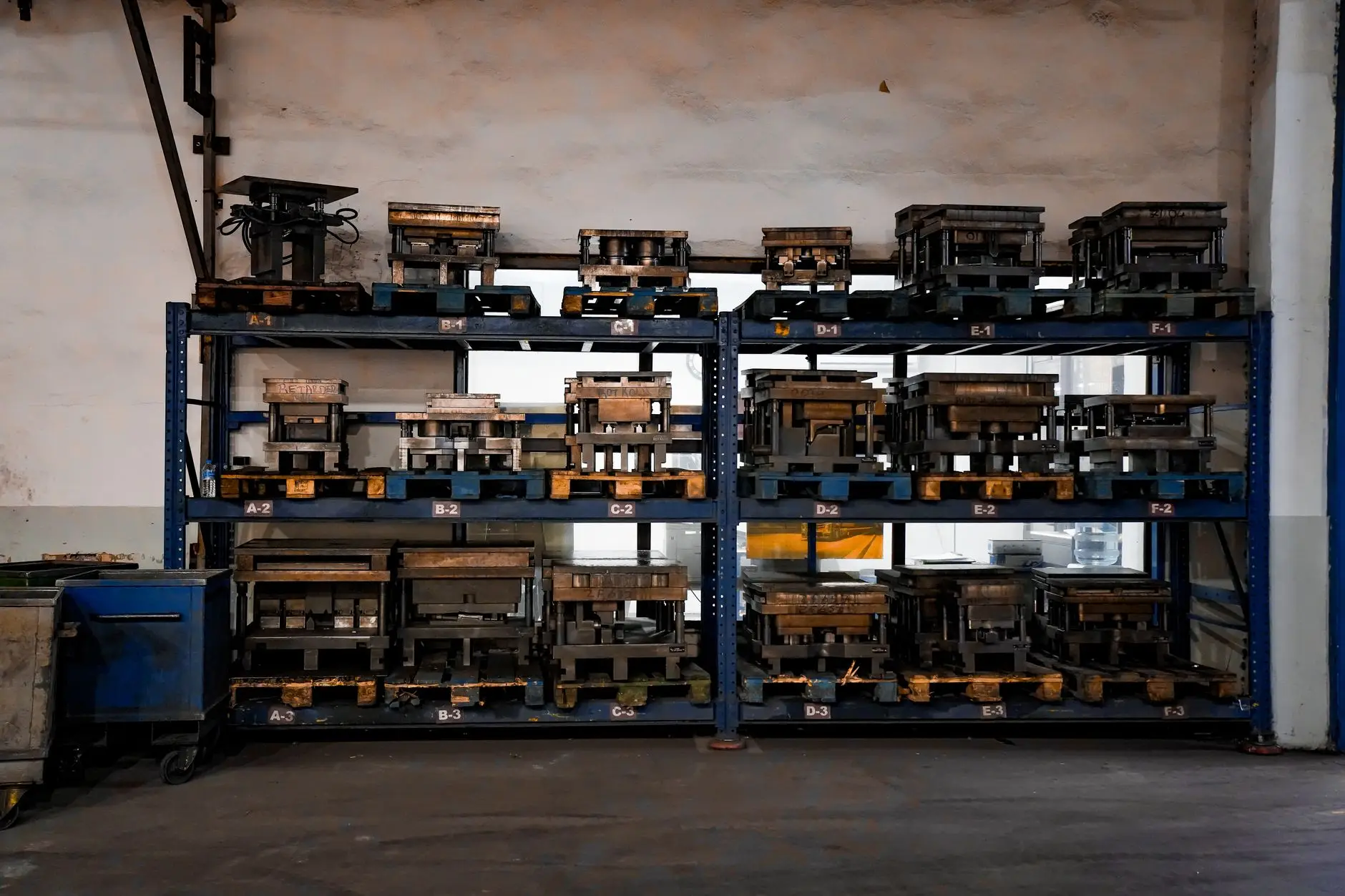
Modular & Containerised Cold Storage
-25 to +25°C selectable per unit. £8,000 to £45,000 per unit.
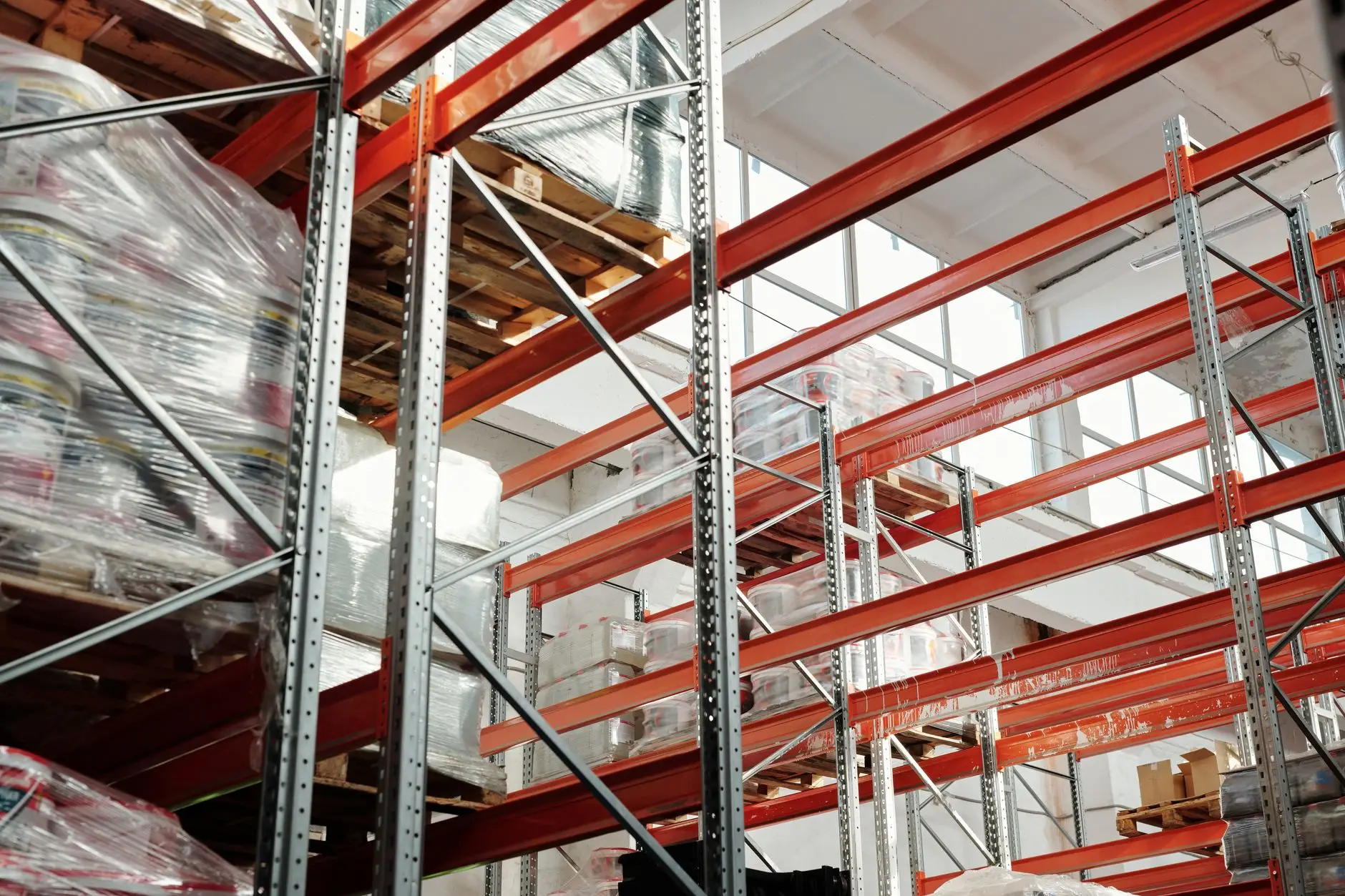
Controlled Atmosphere (CA) Storage
0 to +4°C with controlled oxygen, carbon dioxide and nitrogen levels. £150,000 to £2m.
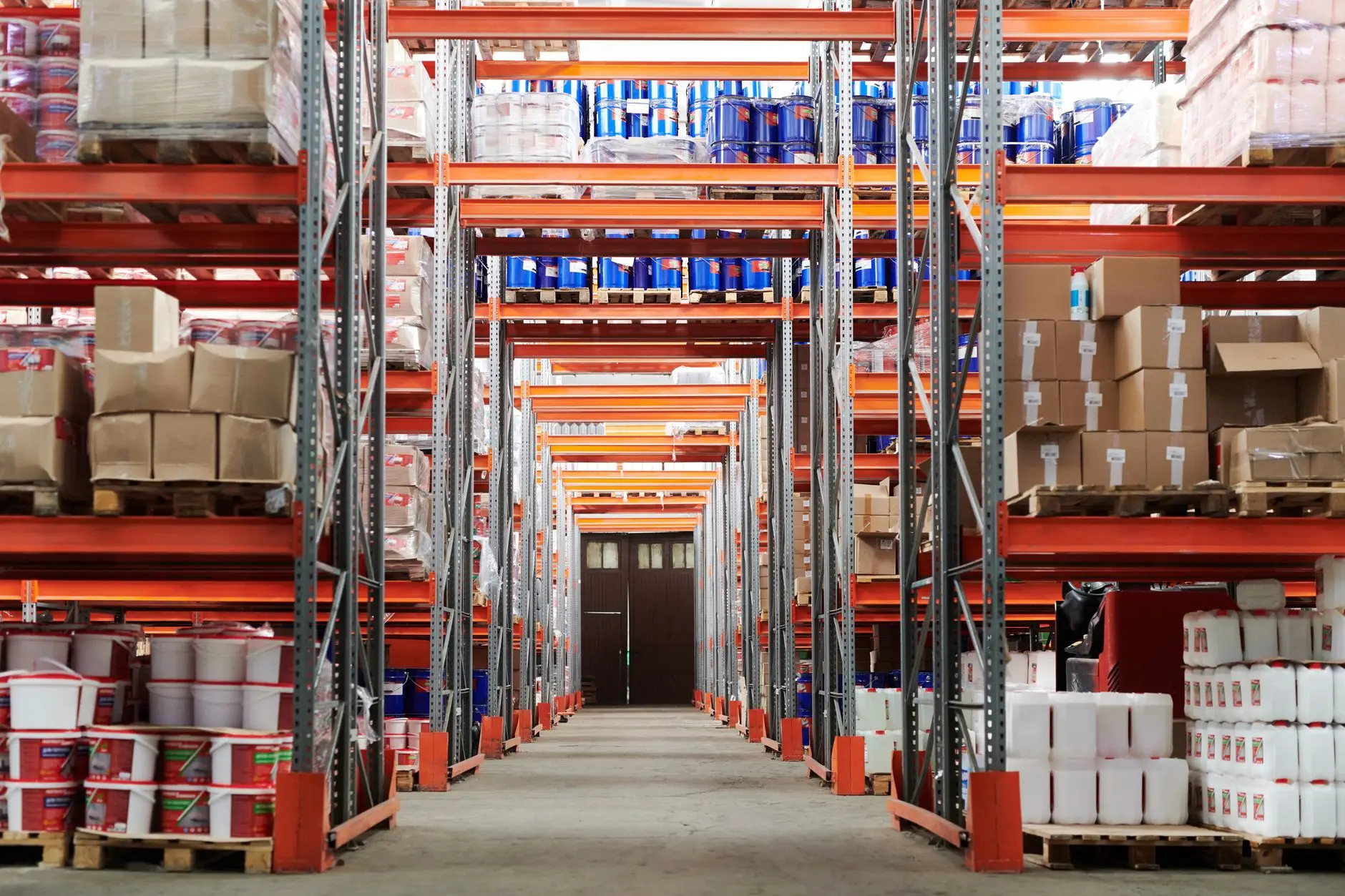
1,200-pallet frozen store and blast freezer for a Midlands ready-meal producer
A ready-meal manufacturer replacing ageing R404A plant with a new frozen store and blast-freeze capacity to keep pace with retailer volumes and pass BRCGS audits. Refrigeration was the single largest cost on site. Efficient natural-refrigerant plant outside the HFC phase-down, validated temperature mapping for BRCGS, and N+1 resilience protecting the stock. A 250 kWp rooftop solar array (scoped via solarpanelsforcoldstorage.co.uk) was modelled to offset a further slice of the 24/7 load. Plant claimed under capital allowances.
From survey to commissioned, validated store
An engineering-led process: we size on your loads and product, not a catalogue guess.
- 01Week 1-2
Survey loads & product
We pull your throughput, product temperatures, half-hourly meter data and site constraints, then calculate the refrigeration duty in kW.
- 02Week 2-6
Design plant & envelope
We design the insulated PIR envelope, size the plant to N+1, and select a refrigerant that survives the F-gas phase-down (CO2, R290 or ammonia).
- 03Weeks / months by scale
Install PIR panels + plant
We build the vapour-sealed envelope, install condensing plant and evaporators, and fit doors, strip curtains and rapid-action doors to cut infiltration.
- 04Handover
Commission + temperature map
We pull the store down, validate temperature mapping with calibrated probes, set alarms, and hand over F-gas leak checking and records for BRCGS.
F-gas, food-safety and the funding that pays for it
Refrigeration is the dominant cost on a cold-chain site, so the money is made or lost on plant efficiency, envelope tightness and door discipline — not the sticker price of the panels. We design every store around the standards your customers and auditors demand.
New plant is specified on natural refrigerants that sit outside the GB F-gas HFC phase-down (an ~80% cut by 2036): CO2 (R744) transcritical, R290 or ammonia. Stores are commissioned with validated temperature mapping, calibrated probes and alarms so they are HACCP and BRCGS audit-ready from handover. Plant qualifies for 100% Annual Investment Allowance or Full Expensing — the IETF grant is closed to new applications since the 2025 Spending Review. To cut the 24/7 running cost further, our sister service sizes rooftop solar for cold storage against your half-hourly load.
- F-gas company certification (REFCOM) — a legal requirement to work the circuit
- HACCP & BRCGS temperature mapping, validation and alarms
- 100% Annual Investment Allowance or Full Expensing on new plant
- Solar offset for the 24/7 load, sized via our sister service
Questions cold-chain buyers actually ask
Straight answers on temperature bands, running cost, refrigerant choice, redundancy and audits.
What temperature should my cold store run at?
Chilled storage typically runs 0 to +5°C, frozen storage -18 to -25°C, and blast freezing uses air as cold as -30 to -40°C to pull product cores down fast. The right setpoint depends on the product and your HACCP plan; we set and validate it with calibrated probes and temperature mapping so the store is audit-ready.
How much does a cold room or cold store cost to install in the UK?
A small walk-in chiller starts around £4,000, medium commercial rooms run £8,000 to £20,000, and walk-in freezers £6,000 to £25,000+, with £1,000 to £5,000 more for groundwork, drainage and power. Full design-and-build refrigerated warehouses run from £500,000 into the millions depending on pallet capacity and plant.
What does it cost to run a cold store each year?
Refrigeration is the dominant cost, 70 to 80 per cent of the electricity bill, and a refrigerated facility costs up to four times more per square foot to run than an ambient warehouse. Efficient plant, a tight insulated envelope, door discipline and offsetting the load with solar are the four biggest levers on that figure.
Should I choose a CO2, ammonia, R290 or HFC system?
For new stores we design around natural refrigerants that sit outside the HFC phase-down: CO2 (R744) transcritical for most chilled and frozen duties, R290 (propane) for smaller packaged plant, and ammonia (R717) for the largest industrial stores. These avoid future refrigerant-scarcity costs; a transcritical CO2 store has been shown to cut energy against R404A by around 19 per cent.
Will the installation meet HACCP and BRCGS requirements?
Yes. We build to food-grade hygienic standards and commission with validated temperature mapping, calibrated probes and alarms, so the store is auditable from handover. HACCP-critical steps such as blast-freeze pull-down are validated with recorded times and core temperatures.
How long does a cold store installation take?
A walk-in cold room is usually a few days to a couple of weeks. A full design-and-build refrigerated warehouse or CA store runs several months from survey through envelope, plant, commissioning and validation. Modular containerised units can be deployed in days where speed matters.
Cold storage installation across the UK
Click any area for local demand context and the industrial estates we serve.